





?How is pulmonary rehabilitation carried out
A contemporary method of treating chronic lung disease that attempts to enhance fitness and quality of life is pulmonary rehabilitation. It offers a multidisciplinary program and is employed to treat a number of pathologies, particularly COPD. Chronic pulmonary diseases, including COPD (chronic obstructive pulmonary disease), persistent asthma, or lung surgery, are common among patients receiving pulmonary rehabilitation.

What is pulmonary rehabilitation?
The following objectives of the comprehensive program known as pulmonary rehabilitation are:
- Improving stamina and physical fitness.
- Improving the quality of life.
- Improving life with this disease.
- A decrease in the number of hospital admissions and the amount of time patients stay in bed.
- Decreasing aggravation.
This program tries to improve the patient’s activity and possibly alter his/her behavior. It consists of physical exercises, educational programs, relaxation exercises, and steps to more effectively manage the disease in daily life.
Who is the ideal patient for pulmonary rehabilitation?
Patients with COPD who experience shortness of breath and decreased exercise tolerance represent one of the most significant applications for pulmonary rehabilitation. This type of patient is frequently referred to a rehabilitation program only when the condition has progressed to an advanced stage.
The rehabilitation program benefits all patients, even the most serious ones, with the exception of the cases mentioned above. However, beginning a disease in its early stages enhances the exercise prescription and the efficiency of effective preventive treatments to avoid disease development (smoking cessation, nutrition strategies).
Additionally, it is advised for individuals suffering from pulmonary hypertension, cystic fibrosis, interstitial lung disease, and post-operative chest diseases.
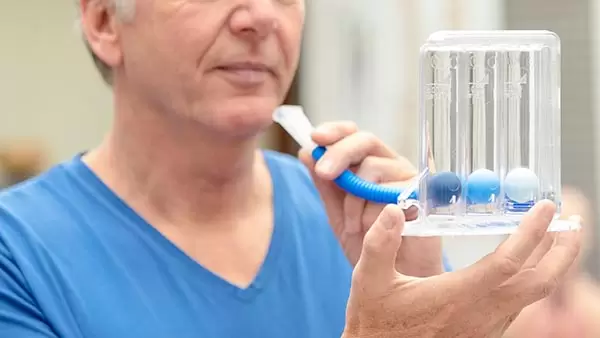
Pulmonary rehabilitation advantages
Even in the context of irreversible structural alterations, pulmonary rehabilitation improves the quality of life for persons experiencing chronic respiratory disorders by reducing symptoms, expanding pulmonary capacity, and improving lung function.
This is feasible since impairment frequently occurs from both pulmonary pathology and other associated disorders, for instance, even if COPD patients’ level of bronchial obstruction or hyperinflation does not considerably improve with rehabilitation.
The patient can walk quicker and with less dyspnea because of muscle strengthening and improved gait.
Inpatient or outpatient pulmonary rehabilitation is available?
Whether treatment should be administered in an outpatient or inpatient environment depends on a number of patient-related and patient-independent factors. For instance, treatment will typically be fixed if the patient is seriously unwell, has limited movement, is elderly, or has numerous co-morbidities. Even severe co-morbidities influence the decision to use a fixed remedy. On the contrary, young, self-sufficient, and professionally engaged patients can comfortably get outpatient rehabilitation treatment. The outpatient program lasts from 2 to 6 months (2 or 3 sessions each week), while the fixed program typically lasts three weeks. The physician is consulted before selecting one or another option.
-

problems of patients and the medical community
27 خرداد 1402 -
Lung clinic
8 خرداد 1402 -

Long COVID
8 خرداد 1402 -
Sarcoidosis Clinic
8 خرداد 1402 -
?What is lung cancer, and how is it treated
8 خرداد 1402 -
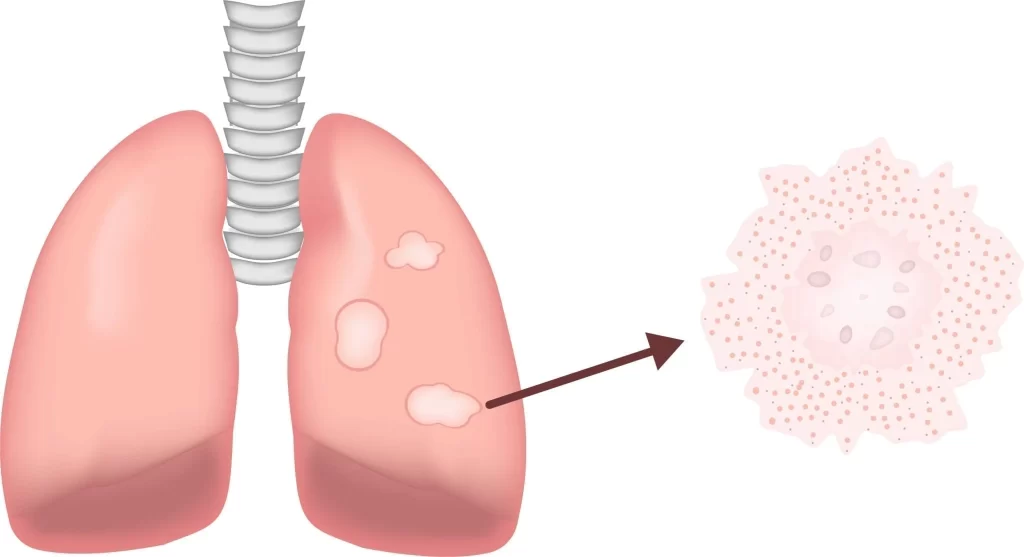
Sarcoidosis and pulmonary fibrosis
8 خرداد 1402 -
What exactly is foreign body aspiration?
8 خرداد 1402 -
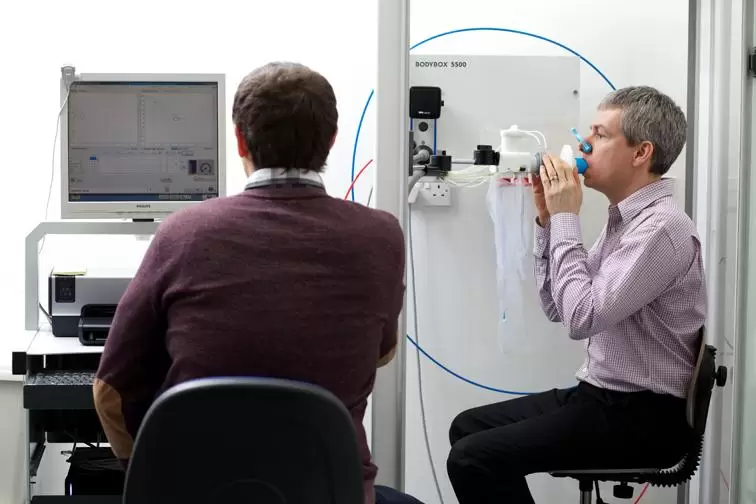
How are pulmonary function tests؟
8 خرداد 1402 -
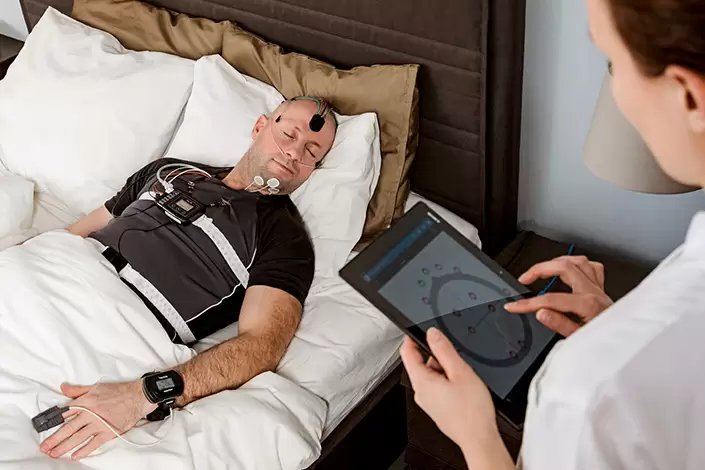
Everything you require to know about the polysomnography
8 خرداد 1402 -

?How is pulmonary rehabilitation carried out
8 خرداد 1402